Author: Don Ruiz

From London Tree Surgeon to Michigan Gardener: What One Volunteer Taught Us About Tree Care 

At Schmid Gardens, we’re proud to have volunteers who bring their love of nature and sometimes, their professional experience to our nursery. One of our long-time helpers, James, brought something unexpected: a background in tree surgery from his time in Richmond, London. 

As a team with shared interest toward gardening and nature, we’ve always loved learning from each other. We’re grateful to have James as an addition to our growing family, because he brought a fresh perspective about tree care. Even our returning clients loved learning from him when they visit our center. 

From Brent to the Midwest 

James worked as a tree surgeon in richmond alongside the team at The Richmond Tree Surgeon, a respected company based in Richmond upon Thames known for precision pruning and urban tree management. He used to volunteer in our nursery when he travels to Michigan, until he recently decided to stay here for good. We thought it would be great to have him as a permanent member of the team, so if you still haven’t met him, you probably will the next time you stop by. Feel free to say hi! 

In the UK, arboricultural practices are deeply rooted on historic tree preservation, so rules also tend to be stringent. Heritage trees and zones are protected, so active work cannot be done without obtaining permission from the local authority. They’re maintained not only to ensure long-term strength and durability, but to keep their appearance suitable to the landscape.  

Yes. UK’s heritage trees are preserved, similar to historic buildings, because of their irreplaceable value. In one article, The National Geographic even talked about the stories surrounding the most historic trees in the country, including Isaac Newton’s apple tree. 

We hope to be able to preserve Michigan trees as well with help from the community and our tree specialists like James. 

What James Taught Us About Tree Care 

We’re excited to share with you in detail what we’ve learned from James so far. Here’s a quick overview! 

  • Pruning using the “3-cut method.” This is where we make 3 cuts to a limb, starting from the undercut, which is about 1-2 feet away from the beginning of the trunk to the top cut, which is slightly further away from the undercut. Last is the third cut from the bark ridge to the branch collar. 
  • A tree health checkup that is done from the base up. We examine from the root to the trunk, then the branches, and the leaves. Should you spot irregularities, our team can offer advice on how to resolve the issue and restore tree health. 
  • Pruning in winter during dormant stages. Winter can be harsh in Michigan, blanketing the city in thick snow layers, while winters in London are rainy and cold. But in some cases, this season can be perfect for pruning because there’s no active or new growth on trees.  
  • Preventing disease by cleaning tools properly. Since trees and shrubs can be infested, it’s a good practice to clean tools in between use. This simple practice is critical in protecting healthy greenery and is beneficial in home gardens as we tend to care for different plant species.  

UK vs. US Tree Care: Surprising Differences 

In the UK, particularly in London, rain is a frequent visitor, and snowy and sunny days are rare. Meanwhile, Michigan summers are great for spending time outdoors, while winters can be brutal. We can grow different types of sun-loving plants on our yard, but this requires thorough planning in a typical English garden.   

Given the significant weather differences between the UK and US, James also had a lot to learn in looking after our native trees, but he quickly picked up knowledge and experience as he’s not entirely a newcomer in the team (He’s one of our favorite volunteers!). In addition, training is also regularly carried out for all our staff.   

With James on board, we’ve proven once again that great tree care is universal. For one, we’ve seen how patient he is in everything he does at the nursery, from monitoring young plants to nursing the sick ones back to health. Climate and tree species may vary, but the desire to preserve nature knows no physical boundaries.  

Valuing Shared Knowledge at the Nursery  

Schmid Gardens is committed to learning, growing, and sharing knowledge with the community.  

We know we’re bound to discover something new from everyone we encounter at the center – whether it’s a regular customer, a first-time visitor, a fellow nature-lover, or an expert like James. And every day, we look forward to these unexpected, valuable lessons.  

As we soak up these nuggets of information, you can count on us to keep sharing them with you too. Tree care experience from London can help Michigan gardeners like us to thrive.  

Ready to Learn Something New About Gardening? 

Visit our nursery for local advice and to meet our wonderful staff. Got a tricky tree situation of your own? Go ahead and ask questions you have about your own trees or lawn. We’re all ears! 

Whether you’re in Michigan or based overseas, we’re happy to help. If you happen to be in London, check out The Richmond Tree Surgeon, as well. We’ve heard amazing stories about how they’ve helped homeowners save their sick trees and keep landscapes eco-friendly and sustainable.  
Behind the Scenes at SCHMID: A Day at the Nursery 

Many of our clients are curious as to how our day goes at the nursery.  

It’s true that it’s fun to be around greenery, as it’s an instant form of relaxation. And the community we have here at SCHMID is a second family to all of us, making our hours here even more rewarding. But as for work, it isn’t the same every day.  

There are times we deal with issues. We’re always up for the challenge, though. Let’s take you on a quick look behind the scenes to see how each day unfolds for our team. Excited? So are we! Let’s get the ball rolling. 

Why do we stand out in the competition? The secret lies in our friendly, local charm. Like you, we’re consumers ourselves, so we treat each visitor the same way we want to be treated when we walk in a shop.  

When you arrive at SCHMID, wou’ll be greeted by warm smiles, all eager to help when you need it.  

Morning Routine 

So, how does our day typically start at SCHMID?  

The first thing on our agenda as soon as we arrive is checking our plant collection. We’re here because of them, and so we start off looking into their condition, watering them as needed, and seeing if there are any issues, such as potential pest infestation, that require urgent attention. 

We also check our stocks, particularly for new orders that came in outside of our work hours. We ensure we’ll be able to fulfill all orders on time, so we immediately reserve paid purchases for processing and delivery.  

From there, we take note of stocks that need replenishment, particularly our best-selling products, from plants to gardening tools. When you visit us, we want to be able to offer everything gardening-related that you need in one roof, so we all work together in keeping our inventory updated.  

That being said, we cannot thank our hardworking team members enough for their dedication. We don’t mind stepping in to do a job outside of our assigned responsibilities, if that’s meant to make our customers happy and help our small business grow.  

So don’t be surprised to see someone from the front desk helping at the back, touring clients around the nursery. We all love plants here, have been around plants for a long time, and can offer valuable assistance. 

Customer Moments 

What does it mean to find the perfect plant? Or should we say, “your plant?” 

Our customers are often looking for the right plant, and there’s no single option we can recommend for everyone. Some of you may be looking at growing plants and have no prior experience. Some, on the other hand, may already have plants and are interested in expanding their collection. 

Whichever type of gardener or plant enthusiast you may be, you’re welcome to visit our nursery. We’ll listen carefully to each of your concerns and goals, so we can direct you to the right choices. Of course, our priority is to help you find a low maintenance, eco-friendly choice so you can maintain it with ease. 

We encourage you to drop by our center so we can answer your questions right away, but if you’re still unsure about giving it a go, here are a few reminders that have helped us and our customers, and might be useful for you too: 

  • Start small. We understand you’re filled with excitement at this point and probably have been researching options before finding this post or paying us a visit. But for a start, we recommend taking small steps. See what works for you and never rush. Patience will take you farther. 
  • Think about your goal. Are you thinking of starting a vegetable or flower garden? Do you want to grow your own produce make your yard more attractive to wildlife? Whatever you want to achieve with your garden, we’re ready to help make your decision-making process simpler.  
  • Opt for native plants. It’s difficult to narrow down your choices, because there’s a lot of interesting plants to get started with. It helps to go for native plants or local plants as they adapt well to our environment and are therefore easier to grow.  
  • Consider your garden’s location. Where will you start your garden? Is it a space exposed to full sun or shade? Or perhaps an empty corner inside your home? The location of your garden will also affect the type of plant you can raise.  

We know that all can sound overwhelming, so go ahead and leave a message or call us if you need further information.   

Behind the Scenes Work 

The work never ends at the center and we don’t mind. Besides assisting walk-in clients, we also take the time to maintain our collection. 

  • Potting, pruning, organizing displays. We work to keep our plants looking their best, regardless of the season. We place them on a suitable pot, prune them as needed, and make sure to set up a diverse display – from the most sought-after plants to our top picks as seasoned gardeners.  
  • Unpacking deliveries and prepping new arrivals. We promptly unpack deliveries and meticulously inspect them as part of our quality assurance measures. We ensure each arrival is in great condition and is ready to meet its new owner. 
  • Keeping everything fresh, healthy, and beautiful. We care for each plant at the center like it’s our own child. We’re all proud “plant parents” here, after all. We keep them healthy, so they’re all set to move to their new home anytime.   

End of Day 

How does our day end at SCHMID?  

We talk as a team, reflecting on what happened during the day, what we learned from interacting with customers and working with plants, and how we feel we can improve from this experience. 

We then make plans for the next day accordingly, whether we’re expecting huge deliveries, group visits, or are gearing up for an event.  

There’s always something’s new growing at our nursery and we can’t wait to meet you and show you around our second home.  

Come Visit! 

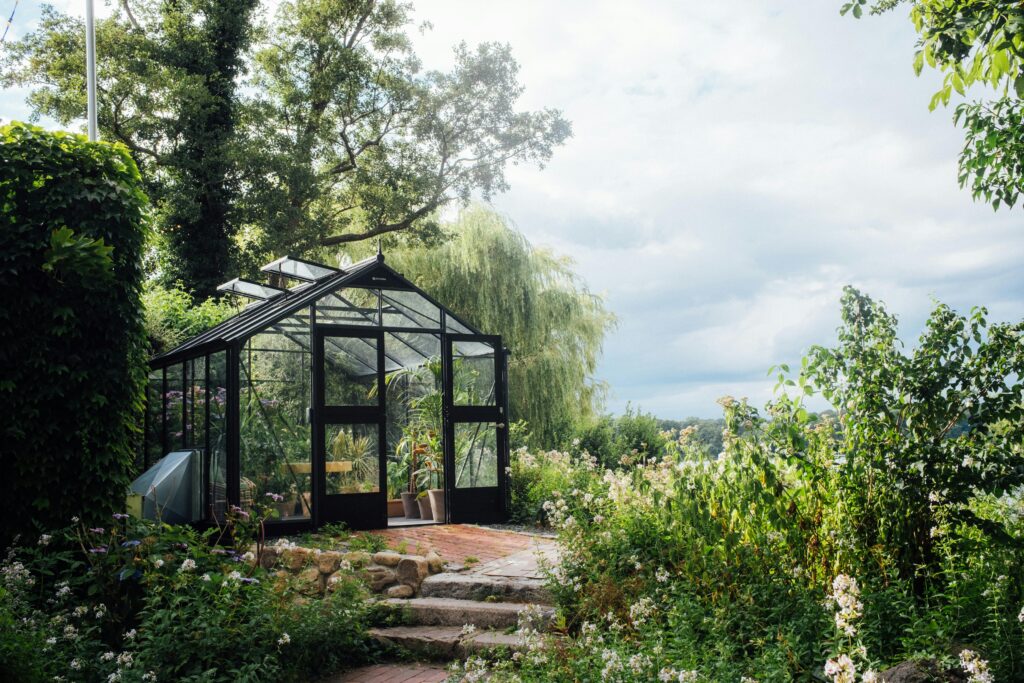
So, come stop by and experience the warm and supportive community here at SCHMID. There’s nothing like walking though the nursery in full bloom. We’ll make every minute of your visit count, right from the time you step in.  

How to Create a Pollinator-Friendly Garden 

Why Pollinators Matter 

You might see them as small insects or animals hopping from one plant to another, but these pollinators play a crucial role in maintaining our ecosystems.  

They carry the pollen, or the plant’s male sex cells, to another plant, keeping the reproductive cycle going. This allows plants to produce flowers and fruits. 

That said, pollinators are important for local gardens like ours and food crops. Without them, it’ll be impossible to grow and harvest fresh produce. But the problem is that the pollinator population is declining, which could adversely affect our food supply.  

Know Your Pollinators 

Some may run or distance themselves when they see insects going around their garden, but our team’s always ecstatic when we see them spending time in our nursery.  

Here are common local pollinators in Michigan that we hope would always visit us: 

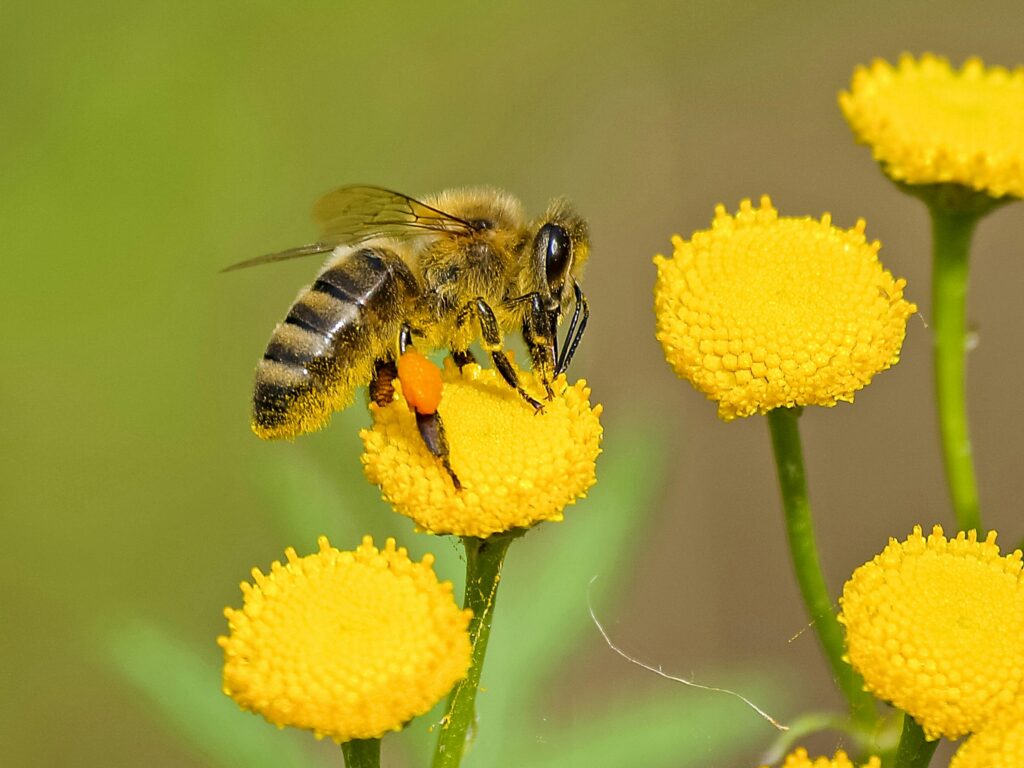
  • Bees. You can call also them honeybees or bumblebees. These buzzing bees work hard transferring pollen between female and male plant reproductive systems. 
  • Butterflies. Monarchs and swallowtails can travel for thousands of miles, looking for leaves that are suitable for laying eggs.   
  • Hummingbirds. Hummingbirds find colorful long-tubular flowers attractive. Their long bills allow them to reach deep into the hidden nectar.  
  • Moths and beetles. Moths are active at night, so we might not see them in the center during the day. They work hard in the dark moving pollen between flowers. Beetles are another common pollinator in our state. They’re often overlooked but are very capable. They love wide flower heads and can collect tons of pollen. 

Pollinator diversity is important because no single type is enough for all flower species. Flowers differ in structure and shape, which limits the type of insect or bird that can access the pollen. Since pollinators also vary in body size and shape, this helps ensure that there’s an agent suitable to help get reproduction between flowering plants going.  

Essential Elements of a Pollinator Garden 

  • Diverse Plant Selection: Pollinators are attracted to different types of plants, so it helps to ensure variety in the bloom collection – from shapes, sizes, to bloom times. 
  • Native Plants: These plants can thrive even with minimal attention and they’re best suited for local pollinators because they’re often pest-free and make excellent food sources. 
  • Continuous Bloom: When there’s continuous bloom in your garden, you’re also providing constant food supply for your pollinators. We can help you plan your planting for spring, summer, and fall. 
  • Pesticide-Free Gardening: Harmful chemicals can weaken and even kill pollinators. They can also spread the pesticide to other plants. 

Top Pollinator Plants for Michigan Gardens 

Planning to start your own pollinator garden? Here are some options we’d recommend: 

  • Coneflower (Echinacea). These blooms can attract colorful butterflies and are drought-tolerant, too! 
  • Milkweed (for monarchs). You’re likely to find monarch butterflies busy laying their eggs on milkweed plants. 
  • Bee Balm (Monarda). These plants aren’t only easy-to-grow. They’re also loved by butterflies, bees, and hummingbirds. 
  • Black-eyed Susan. Its dark-eye center is filled with nectar that pollinators, such as moths and wasps, enjoy feasting on.  
  • Lavender. These fragrant, vibrant-colored flowers are teeming with nectar, which draws pollinators in.   
  • Wild Bergamot. This plant produces plenty of tubular flowers that are perfect for long-tongued pollinators, such as bees. 

Annuals grow flowers fast, so they can be ideal if you’re looking to add something new to your garden while waiting for your perennials to bloom. We can help you select colorful, nice smelling plants that pollinators love.  

Of course, we cannot miss out on perennials, which are a magnet for pollinators. They have a longer lifespan and offer a stunning backdrop in your garden. 

We can offer advice in grouping plants accordingly to entice insects and birds and make it easier for them to forage.  

Create a Welcoming Habitat 

A pollinator garden doesn’t have to be big, but it must be carefully designed to lure and guide pollinators, make their search easier, and have something for them across seasons.  

It also wouldn’t hurt to include fresh water source, such as a shallow dish or a birdbath with stones, along with options for shelter like shrubs, tall grasses or a bee hotel. These areas help protect insects from predators and adverse weather conditions. 

Pollinators are also drawn to sunny gardens as they’re able to stay warm and even rest while foraging.  Be careful so as not to over mulch, because insects, such as bees, love nesting in the ground. Excessive mulching can trap moisture at the roots and discourage insects from visiting.  

Design Tips from SCHMID Nursery & Gardens 

Small space or large yard? You don’t have to choose between them. It’s doable for both. No matter the size of your outdoor space, it’s possible to create a healthy and pollinator-friendly garden.   

We encourage you to reach out to our team if you need help planning your own pollinator space. We’ll help you invest only in what’s necessary, so you can avoid costly mistakes, or buying too much you wouldn’t make full use of.  

If it’s your first time to give gardening a shot, we’re also happy to recommend low-maintenance options.  

Planting a pollinator-friendly garden elevates your outdoor space and allows you take part in preserving our local ecosystem. Stop by Schmid Nursery & Gardens today to get started! We’re excited to show you around. 

Navigation