Why Pollinators Matter
You might see them as small insects or animals hopping from one plant to another, but these pollinators play a crucial role in maintaining our ecosystems.
They carry the pollen, or the plant’s male sex cells, to another plant, keeping the reproductive cycle going. This allows plants to produce flowers and fruits.
That said, pollinators are important for local gardens like ours and food crops. Without them, it’ll be impossible to grow and harvest fresh produce. But the problem is that the pollinator population is declining, which could adversely affect our food supply.
Know Your Pollinators
Some may run or distance themselves when they see insects going around their garden, but our team’s always ecstatic when we see them spending time in our nursery.
Here are common local pollinators in Michigan that we hope would always visit us:
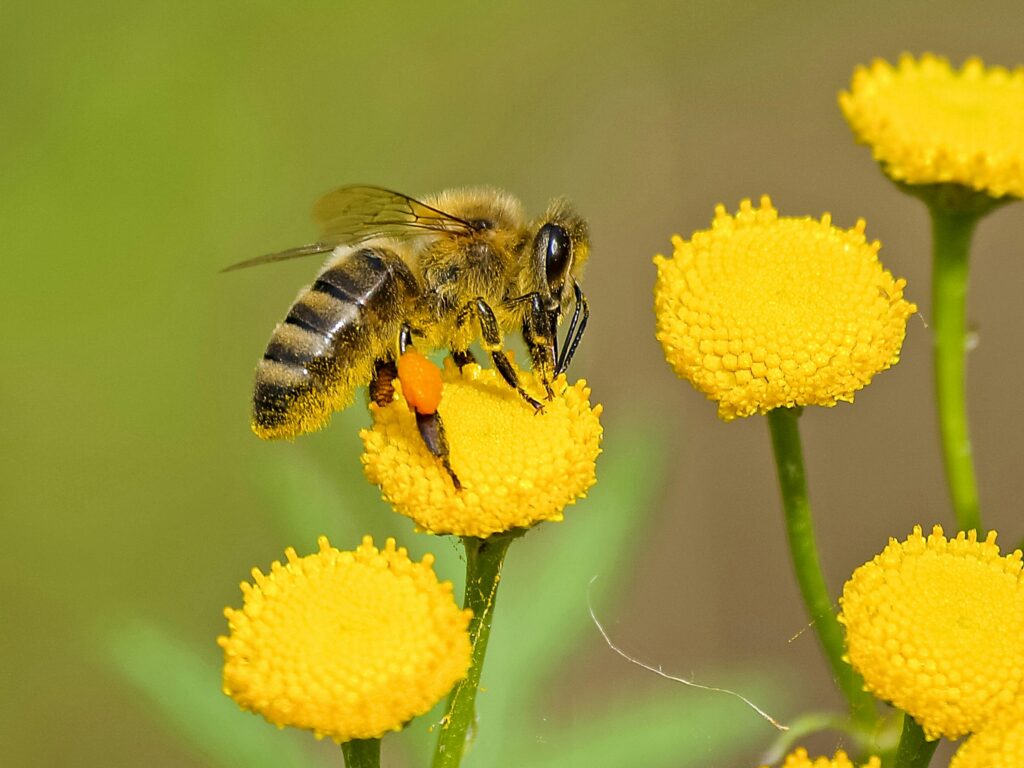
- Bees. You can call also them honeybees or bumblebees. These buzzing bees work hard transferring pollen between female and male plant reproductive systems.
- Butterflies. Monarchs and swallowtails can travel for thousands of miles, looking for leaves that are suitable for laying eggs.
- Hummingbirds. Hummingbirds find colorful long-tubular flowers attractive. Their long bills allow them to reach deep into the hidden nectar.
- Moths and beetles. Moths are active at night, so we might not see them in the center during the day. They work hard in the dark moving pollen between flowers. Beetles are another common pollinator in our state. They’re often overlooked but are very capable. They love wide flower heads and can collect tons of pollen.
Pollinator diversity is important because no single type is enough for all flower species. Flowers differ in structure and shape, which limits the type of insect or bird that can access the pollen. Since pollinators also vary in body size and shape, this helps ensure that there’s an agent suitable to help get reproduction between flowering plants going.
Essential Elements of a Pollinator Garden
- Diverse Plant Selection: Pollinators are attracted to different types of plants, so it helps to ensure variety in the bloom collection – from shapes, sizes, to bloom times.
- Native Plants: These plants can thrive even with minimal attention and they’re best suited for local pollinators because they’re often pest-free and make excellent food sources.
- Continuous Bloom: When there’s continuous bloom in your garden, you’re also providing constant food supply for your pollinators. We can help you plan your planting for spring, summer, and fall.
- Pesticide-Free Gardening: Harmful chemicals can weaken and even kill pollinators. They can also spread the pesticide to other plants.
Top Pollinator Plants for Michigan Gardens
Planning to start your own pollinator garden? Here are some options we’d recommend:
- Coneflower (Echinacea). These blooms can attract colorful butterflies and are drought-tolerant, too!
- Milkweed (for monarchs). You’re likely to find monarch butterflies busy laying their eggs on milkweed plants.
- Bee Balm (Monarda). These plants aren’t only easy-to-grow. They’re also loved by butterflies, bees, and hummingbirds.
- Black-eyed Susan. Its dark-eye center is filled with nectar that pollinators, such as moths and wasps, enjoy feasting on.
- Lavender. These fragrant, vibrant-colored flowers are teeming with nectar, which draws pollinators in.
- Wild Bergamot. This plant produces plenty of tubular flowers that are perfect for long-tongued pollinators, such as bees.
Annuals grow flowers fast, so they can be ideal if you’re looking to add something new to your garden while waiting for your perennials to bloom. We can help you select colorful, nice smelling plants that pollinators love.
Of course, we cannot miss out on perennials, which are a magnet for pollinators. They have a longer lifespan and offer a stunning backdrop in your garden.
We can offer advice in grouping plants accordingly to entice insects and birds and make it easier for them to forage.
Create a Welcoming Habitat
A pollinator garden doesn’t have to be big, but it must be carefully designed to lure and guide pollinators, make their search easier, and have something for them across seasons.
It also wouldn’t hurt to include fresh water source, such as a shallow dish or a birdbath with stones, along with options for shelter like shrubs, tall grasses or a bee hotel. These areas help protect insects from predators and adverse weather conditions.
Pollinators are also drawn to sunny gardens as they’re able to stay warm and even rest while foraging. Be careful so as not to over mulch, because insects, such as bees, love nesting in the ground. Excessive mulching can trap moisture at the roots and discourage insects from visiting.
Design Tips from SCHMID Nursery & Gardens
Small space or large yard? You don’t have to choose between them. It’s doable for both. No matter the size of your outdoor space, it’s possible to create a healthy and pollinator-friendly garden.
We encourage you to reach out to our team if you need help planning your own pollinator space. We’ll help you invest only in what’s necessary, so you can avoid costly mistakes, or buying too much you wouldn’t make full use of.
If it’s your first time to give gardening a shot, we’re also happy to recommend low-maintenance options.
Planting a pollinator-friendly garden elevates your outdoor space and allows you take part in preserving our local ecosystem. Stop by Schmid Nursery & Gardens today to get started! We’re excited to show you around.